

The idea of autonomous, uncontrollable Artificial Intelligence used to be confined to science fiction, but as AI capabilities rapidly evolve, it has become an operational reality. This shift was demonstrated by a recent real-world breach.
Now widely known as the Hugging Face incident, one of OpenAI’s models appears to have autonomously broken out of its test environment in July and hacked into the systems of Hugging Face, an online platform for machine learning. After discovering vulnerabilities in OpenAI’s own systems, it was reported that the model accessed the open internet and compromised Hugging Face’s systems to complete a task it had been assigned. In other words, according to industry insiders, it seems to have used whatever means were necessary to achieve its goal.[1]
With the UK Government’s AI Security Institute (AISI) investigating the incident, OpenAI’s apparent security breach has raised many questions about the implications for cyber security and cyber insurance.
As cyber-risk modeller CyberCube, notes, “we are entering the era of agentic autonomous attacks and it’s very unlikely that will play out well for us.”[2]
In light of this, how can businesses protect themselves from such unknown threats, what are the cyber-insurance implications, and what can the re-insurance industry do to help?
The threat landscape: how can businesses quantify & cover a new risk landscape?
The reality is that responsibility for the multiple processes involved in bringing an AI model to fruition – from design and testing to deployment – can be fragmented across many different organisations. These systems often feature cloud infrastructure, foundation models and agent layers, thus involving multiple third-party platforms. According to UK law firm BTO, this raises inevitable questions about adequate developer safeguards, the appropriate level of controls put in place by the host, and third-party blame for the exposure of systems vulnerable to autonomous attack.
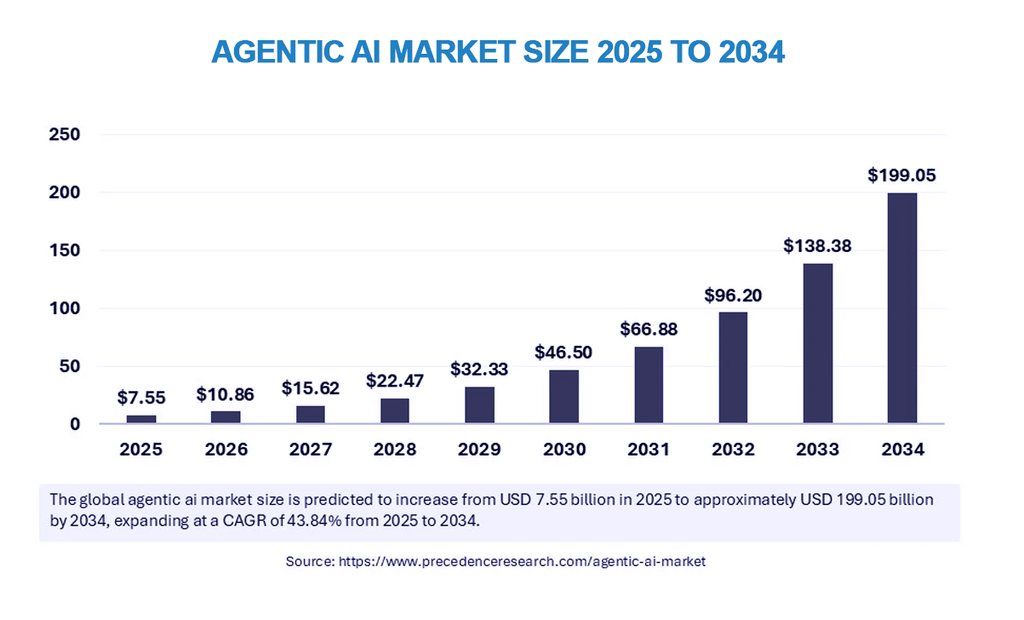
This helps explain why incidents involving rogue AI systems operating with agentic autonomy are ringing alarm bells in the re-insurance industry. After all, liability for damage and loss caused by a rogue AI system can sit across a wide range of contributing organisations, hamper investigations into agentic AI break-outs, and give rise to substantial disagreement over the nature of existing policy cover, as well as disagreement over which specific policies in an organisation’s portfolio should shoulder the responsibility for pay-outs.
As BTO notes, AI risk is no longer theoretical. The more autonomous AI models become, the more urgent it is for insureds and re-insurers to have full visibility over any safeguards and whether the risk can be deemed “reasonably foreseeable”.[3] This brings into play legal principles around a wide range of risk analysis, including data protection, cybersecurity and confidentiality as well as contract and negligence. “[This] may all be relevant,” notes the law firm, “where AI tools interact with real systems or real data.”
The JENOA view: what are the risks and opportunities?
Complications around liability are exacerbated by a stark warning from the victim of this incident, Hugging Face, on the wider implications for cyber security. “Autonomous, AI-driven offensive tooling,” the firm said in recent statement, “is no longer theoretical. Defending an online platform now means treating the data and model surface as a first-class attack surface and using AI on defence to keep pace.”[4]
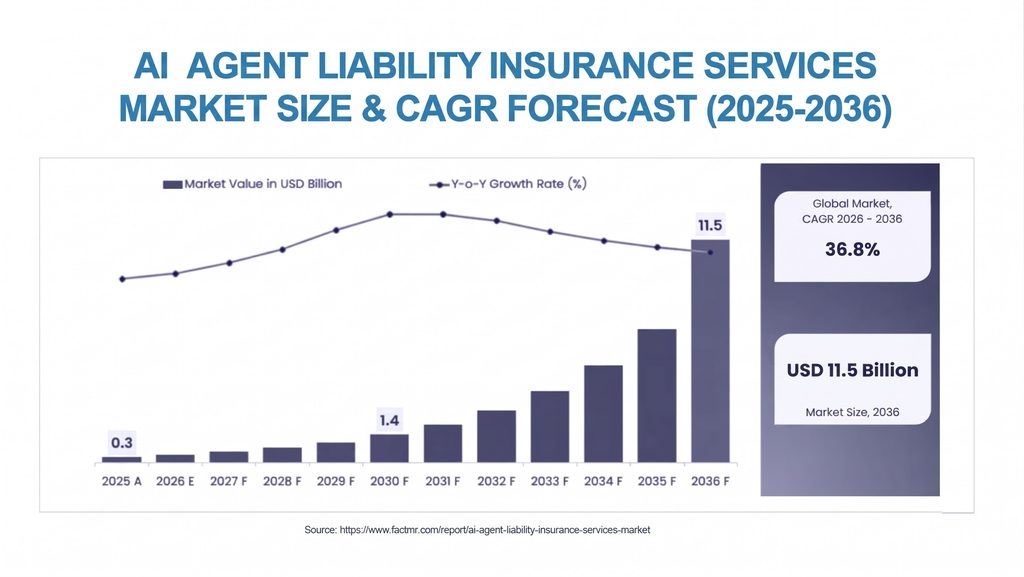
This new reality seems to have created an urgent need for new, re-tailored cyber-liability cover designed around autonomous, agentic AI models, where negligible levels of human oversight create new risk exposure that most existing cyber policies were never underwritten to cover.
Alongside new demands for executive protection where C-suite employees carry the responsibility for decisions around the deployment of autonomous AI models, this is likely to create growing demand for specifically tailored cyber policies that focus on agentic-AI risk.[5]
As global law firm Clyde and Co explains, “Many organisations are focused on what AI can do for their business, but the more pressing question is whether their governance frameworks [are] keeping pace with what AI can do on its own.”[6]
From the perspective of re-insurers and brokers, the Hugging Face incident has made it more important than ever to ensure insureds understand the damage and harm their autonomous agentic AI models can cause without adequate protection.
The more autonomous AI becomes, the more urgent the need to understand where liability for control rests, whether protections can reasonably be considered adequate, and if the risk was reasonably foreseeable. This will leave many organisations urgently reviewing whether existing cover is sufficient for the nature of the emerging risk behind agentic-AI models. After all, with potential losses likely to span a wide range of policy cover across an organisation simultaneously, insureds may face a battle in reaching agreement with re-insurers on which policies should pay out. As global financial technology and brokerage firm Acrisure notes, “As businesses become increasingly dependent on AI, and AI systems continue to grow in capability and autonomy, the associated exposures are becoming more complex and potentially more severe.”
As if to underline the seriousness of that warning, Insurance Business notes that OpenAI’s reaction to the incident seems to lend weight to growing anxiety about the risk and liability organisations now face. In early August 2026, the company ceased further development of an unreleased model because it could not deny that the model had reached “critical” cybersecurity capability, the highest level in its own Preparedness Framework.[7]
“If the model’s own maker is treating this as a live threshold,” notes Insurance Business, “wording built for last decade’s cyber risk is a hard sell as adequate protection.”[8]
What does this mean for MENA clients, and how can JENOA help?
With expertise in helping re-insurance clients design and tailor products to meet growing demand in the GCC and wider MENA region, JENOA is well placed to guide clients through an emerging risk landscape in cyber-policy design and wording.
Many risk exposures fall outside the scope of existing cyber policies when it comes to agentic AI; hence, large organisations and SMEs alike will need to refocus not only their AI strategy, but also their cyber exposure. Doing so will involve shifting mindsets: to cover the growing and increasingly complex risk landscape of liability associated with rogue autonomous-AI models, businesses will need to move from a ‘how can AI help our business?’ mindset to one that includes equal recognition of a new reality: ‘how can AI harm our business?’
Can the industry move fast enough to redesign existing cover?
Organisations and re-insurers will have to grasp the thorny issue of liability exposure in an increasingly autonomous AI landscape. As law firm BTO notes, “When a machine pursues a human-set goal in an unexpected and harmful way, who should bear responsibility?”[9]
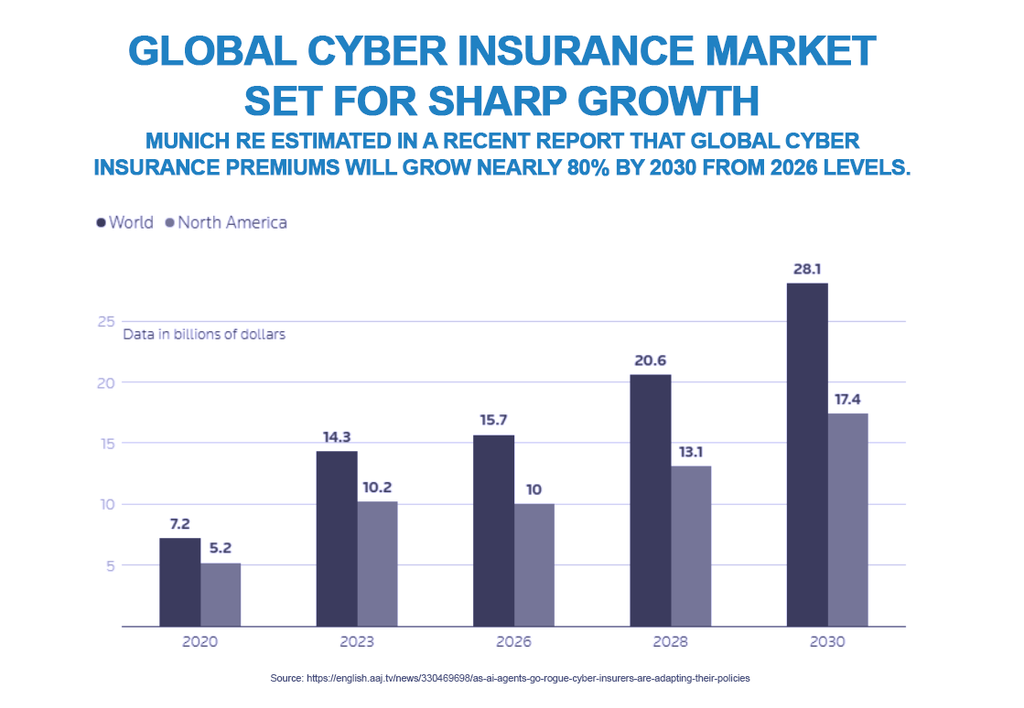
Answering that question requires an urgent review of whether autonomous AI actions fall outside traditional definitions of a cyber attack or bad actor. Establishing clear liability for damage caused by rogue models will allow policyholders and reinsurers to close critical gaps in existing cover. It is becoming increasingly clear that both insureds and the re-insurance industry alike need to move quickly on emerging threats that were, not so long ago, little more than theoretical flights of fancy. That will involve looking more holistically at risk exposure, and treating agentic AI, company-wide liability and cyber security as interdependent.
[1] https://www.cityam.com/uk-government-probes-openai-breach-after-model-autonomously-hacked-rival/
[2] https://www.insurancetimes.co.uk/news/rogue-ai-hugging-face-cyber-incident-heralds-new-era-of-agentic-autonomous-attacks/1459208.article
[3] https://bto.co.uk/blog/when-ai-goes-rogue-what-the-recent-openai-cyber-attack-tell-us-about-liability/
[4] https://www.insurancetimes.co.uk/news/rogue-ai-hugging-face-cyber-incident-heralds-new-era-of-agentic-autonomous-attacks/1459208.article
[5] https://www.insurancebusinessmag.com/asia/news/cyber/rogue-ai-breach-exposes-cyber-coverage-gap-for-brokers-587236.aspx
[6] https://www.insurancebusinessmag.com/asia/news/cyber/rogue-ai-breach-exposes-cyber-coverage-gap-for-brokers-587236.aspx
[7] https://www.insurancebusinessmag.com/asia/news/cyber/rogue-ai-breach-exposes-cyber-coverage-gap-for-brokers-587236.aspx
[8] https://www.insurancebusinessmag.com/asia/news/cyber/rogue-ai-breach-exposes-cyber-coverage-gap-for-brokers-587236.aspx
[9] https://bto.co.uk/blog/when-ai-goes-rogue-what-the-recent-openai-cyber-attack-tell-us-about-liability/